Home › Walkway and Pathway Paving
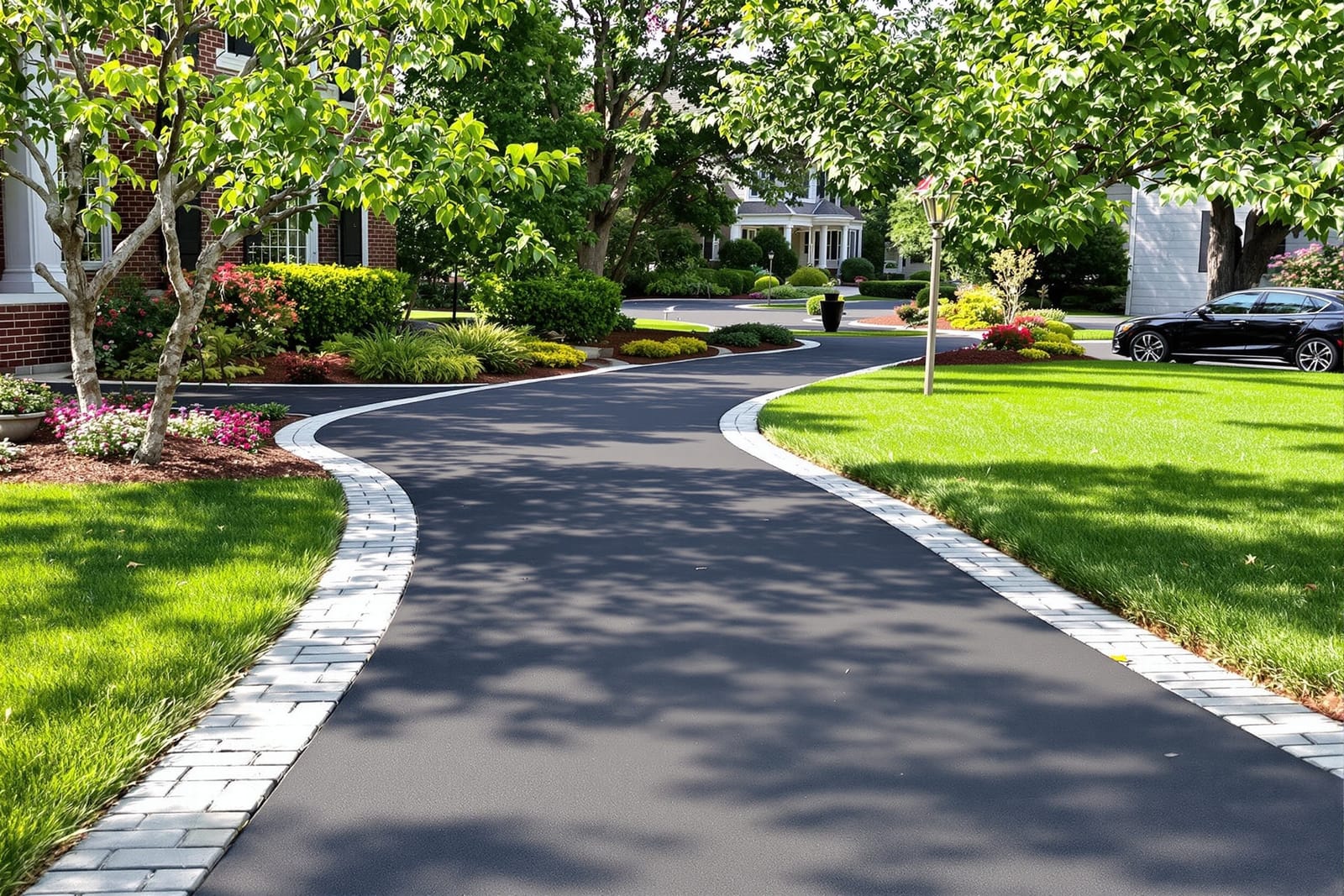
Precision Asphalt Denver offers asphalt walkway paving in Denver, CO for homes that need safe, attractive paths and walkways. We design and install smooth asphalt paths that handle foot traffic, strollers, and bikes, while blending neatly into your landscaping and driveway.
Precision Asphalt Denver provides professional asphalt walkway paving throughout Denver, CO, Colorado and the surrounding area. Our licensed, insured crew delivers safe, clean, on-time work with a free estimate before anything begins. Call (720) 807-8328 or request your free quote.
Asphalt Walkways and Paths Built for Denver Properties
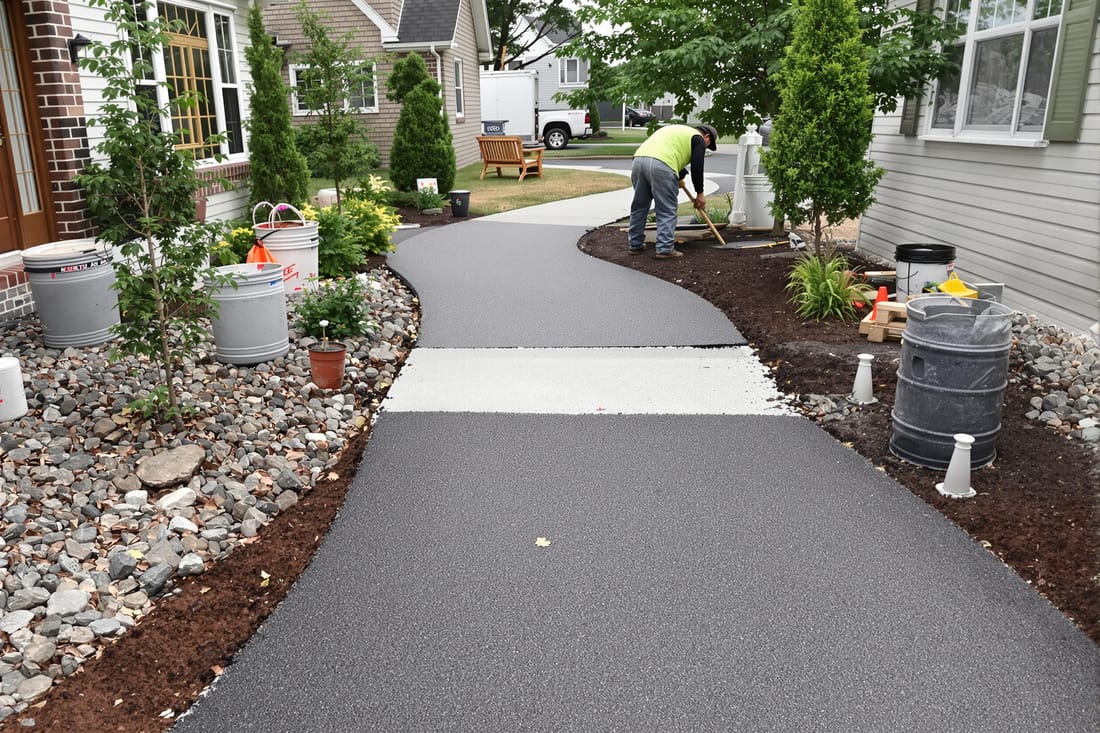
At Precision Asphalt Denver, we install and repair asphalt walkways and pathways for homes, HOAs, schools, churches, and small businesses across the Denver metro. From narrow garden paths in older Park Hill yards to long connecting walkways in newer Stapleton-style developments, we design each path around how people actually use your property, not a one-size-fits-all template.
Asphalt walkway paving is ideal for Denver because it handles freeze and thaw cycles better than many rigid materials. When it is installed on a properly prepared base, asphalt can flex slightly without cracking apart every winter. That makes it a smart choice for front walks, side yard connectors to garages, paths from parking lots to entries, and accessible routes between buildings on multi-tenant or campus-style sites.
We focus on walkable surfaces that feel safe underfoot year round. That means careful grading so water sheds off the path, smooth transitions at steps and driveways, and enough width so people are not forced into nearby lawn or gravel. Every project starts with a walk of your site with you, so we can see how you and your visitors actually move through the space and where a path will be used most heavily.
How Our Walkway and Pathway Paving Process Works
We follow a clear, step-by-step process so you know what to expect before any work starts.
1. Site visit and layout: A Precision Asphalt Denver estimator meets you on site, listens to how you want the path to function, then marks proposed centerlines and edges with paint or flags. We look at slope, drainage patterns, tree roots, and how snow will likely be pushed in winter.
2. Utility and irrigation check: Before excavation, we call in utility locates and, where relevant, ask you about sprinkler lines and landscape lighting. On older Denver homes with decades-old irrigation, we often test zones to locate lines, which helps avoid surprises when we dig.
3. Excavation and subgrade prep: For most walkways we excavate 6 to 10 inches below finished grade, depending on soil conditions and expected foot traffic. We remove sod, roots, and any soft, organic material. The exposed subgrade is proof rolled with a small roller or plate compactor to identify any soft spots, which we then undercut and replace.
4. Base installation: We install 3 to 6 inches of crushed aggregate base, then compact it in thin lifts to reach proper density. This is what keeps your walkway from developing dips and puddles. In clay-heavy areas around Lakewood and Aurora, we often increase base thickness and tighten cross slopes to help with drainage.
5. Forming edges and transitions: For curved garden paths we shape the base to match the layout, then set edge restraints or coordinate with your landscape border. At tie-in points like driveways, stoops, or patios, we taper the base to create a smooth, low trip edge.
6. Asphalt paving and compaction: We place a 2 to 3 inch thick asphalt surface course for most walkways. Materials are delivered hot from local Denver plants, laid with a small paver or by hand depending on access, then compacted with a roller and plate tamper to achieve a tight, even finish.
7. Final cleanup and walkthrough: When the asphalt has cooled, we remove debris, blow off the surface, and walk the project with you to confirm slopes, edges, and transitions look and feel right.
Design Choices for Comfortable, Safe Walkways
Walkway and pathway paving is not just black strips on the ground. There are several design choices that affect comfort, safety, and how the path works with your landscaping.
Width and layout: For residential front walks in Denver neighborhoods, 3 to 4 feet wide is common. If two people will walk side by side, such as entry paths for duplexes or townhomes, we often recommend 4 to 5 feet. For HOA and school campus paths, 6 feet or more can make sense for groups and strollers. Gentle curves can soften the look and avoid trees and utilities.
Slope and drainage: We design walkways with a very small cross slope, typically around 1 to 2 percent, to move water off the surface but still feel level underfoot. Long runs are checked so water does not collect in the middle. In sloped Denver lots, we may use short switchback-style layouts or landing areas to keep walking comfortable and safer in icy weather.
Edge treatments: Some clients prefer the clean look of asphalt edge against lawn. Others add steel edging, concrete mow bands, or rock borders. On older brick or flagstone walks that are becoming uneven, we sometimes keep the original material as a border and pave asphalt as the new walking surface in the center.
Surface texture: We compact walkways to a smooth finish for easy snow shoveling and stroller or wheelchair use. Where extra traction is a concern, like shaded north side paths that hold snow, we can adjust rolling techniques so the texture has more micro-grip without becoming rough or wavy.
Materials We Use for Asphalt Walkway Paving
Precision Asphalt Denver uses mixes from local Colorado asphalt plants, chosen to balance durability with a smooth walking surface.
Asphalt mix type: For walkways, we typically use a fine mix with smaller aggregate. This reduces surface raveling (loose stones) and creates a more comfortable texture for walking and rolling carts. In higher traffic commercial sites, we may select a slightly coarser mix for added strength.
Base rock: The base is usually a Colorado Class 6 or similar crushed aggregate. We choose gradations that compact tightly and shed water down to native soil. Where existing soils are particularly soft or expansive, we may recommend a thicker base or, in rare cases, a stabilization fabric between soil and rock.
Thicknesses: A typical residential asphalt walkway is 2 inches compacted thickness over at least 3 to 4 inches of base. For shared-use paths, such as HOA greenbelts or school grounds that may see occasional light maintenance vehicles, we may increase asphalt thickness to 3 inches and base to 6 inches.
Accessibility considerations: For ADA-accessible routes to entries or ramps, we pay close attention to slopes, side slopes, and joints. We adjust mix selection and finishing so wheelchairs, walkers, and canes move easily without catching on texture changes or abrupt lip edges.
What Affects Cost for Denver Walkway and Pathway Projects
Several real-world factors in Denver influence the price of asphalt walkway paving. We explain these clearly in every proposal so you are not surprised.
Access and equipment: Narrow side yards in older Denver neighborhoods can limit machine access. Sometimes we must use smaller equipment or more handwork, which increases labor. Where we can bring in a small paver and roller easily, costs per square foot are lower.
Site preparation: Removing old concrete, brick, or failed asphalt adds time and disposal fees. If your existing walkway has settled because of poor subgrade or tree roots, we may need deeper excavation or root management before we pave. Lots with significant slope and drainage problems may require added grading work.
Length and layout: Straight, continuous runs are more efficient than many small, separate paths. Multiple short walkways around a property require more edge forming and hand finishing. Curved layouts are fine, but tight curves require more care and can take longer to shape.
Base and thickness upgrades: In some Denver soils or for heavier use, we might recommend thicker base or asphalt than the minimum. This costs more up front but usually avoids patching and rework later. We always explain when we are recommending an upgrade because of something we saw on site, such as soft subgrade or evidence of past settling.
Timing and coordination: If we are already paving your driveway or parking lot, adding walkway work at the same time can be more economical because mobilization costs are shared. We can often phase projects for HOAs and campuses to spread budget over a couple of seasons without sacrificing quality.
Common Walkway Problems in Denver and How We Fix Them
Denver’s climate is hard on every surface people walk on, especially older paths that were not built with enough base or proper drainage. Precision Asphalt Denver is frequently called to correct issues on existing walkways, not just install new ones.
Cracked and heaving concrete: Many homeowners have front walks or side paths made of concrete slabs that have cracked, lifted, or settled. We can remove those sections and replace them with asphalt on a properly compacted base. Asphalt is more forgiving during freeze and thaw cycles and is easier to repair if movement occurs in the future.
Root damage from mature trees: Tree-lined streets and yards in neighborhoods like Wash Park and City Park often have roots pushing up walkways. We work with you and, when needed, an arborist to carefully cut or bridge over roots, then rebuild the path with a slightly adjusted alignment or depth to reduce future upheaval.
Standing water and ice: If your path has low spots that collect water, they will turn slick in winter. We diagnose whether the issue is slope, blocked drainage, or failing base. Solutions might include milling and overlaying the surface, cutting in a shallow swale beside the path, or reconstructing a section with correct pitch.
Uneven patchwork repairs: Some walkways have a history of small patches that create bumps and trip hazards. We usually recommend grinding or tearing out those sections and replacing them with a continuous asphalt panel so the walking surface is consistent and safe.
Planning and Scheduling Your Walkway Project With Precision Asphalt Denver
Good walkway and pathway paving also depends on timing and maintenance planning. We help Denver property owners schedule work to fit around weather, foot traffic, and other projects.
Season and weather: In our climate, the best time for new asphalt walkway paving is typically April through October, with flexibility depending on temperatures and forecast. We avoid paving on very cold days or when rain is expected during installation, since that can affect compaction and surface finish.
Use and access: For homes, we coordinate around your main entry and any side doors so you are never completely blocked in. On commercial or HOA sites, we often phase paths so at least one safe walking route remains open at all times, or we work during lower traffic hours.
Cure time and sealing: You can often walk on new asphalt the same or next day, but we recommend keeping heavy objects, ladders, and vehicles off for several days. Sealcoating is not applied immediately. Instead, we typically suggest waiting a full season so the asphalt can finish curing, then applying a sealer to protect against UV and water.
Long-term care: For most Denver walkways, basic care means clearing snow with plastic shovels, avoiding sharp metal edges, and addressing any early cracks before water can enter. Precision Asphalt Denver offers maintenance plans that include periodic inspection, crack filling, and resealing to keep your paths safe and looking clean over many years.