Home › Gravel-to-Asphalt Conversions
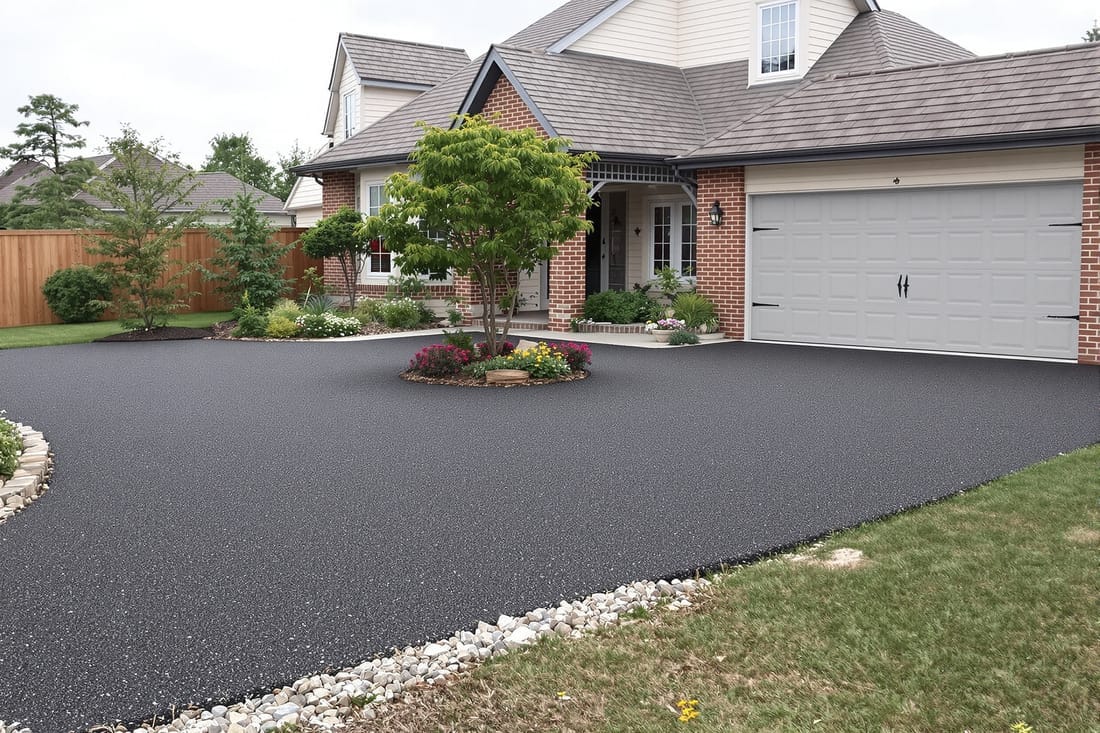
Precision Asphalt Denver handles gravel to asphalt driveway conversions in Denver, CO, transforming loose, dusty surfaces into smooth, low maintenance driveways. We grade and compact your existing base, add material as needed, and install quality asphalt for better traction and easier snow removal.
Precision Asphalt Denver provides professional gravel to asphalt driveway throughout Denver, CO, Colorado and the surrounding area. Our licensed, insured crew delivers safe, clean, on-time work with a free estimate before anything begins. Call (720) 807-8328 or request your free quote.
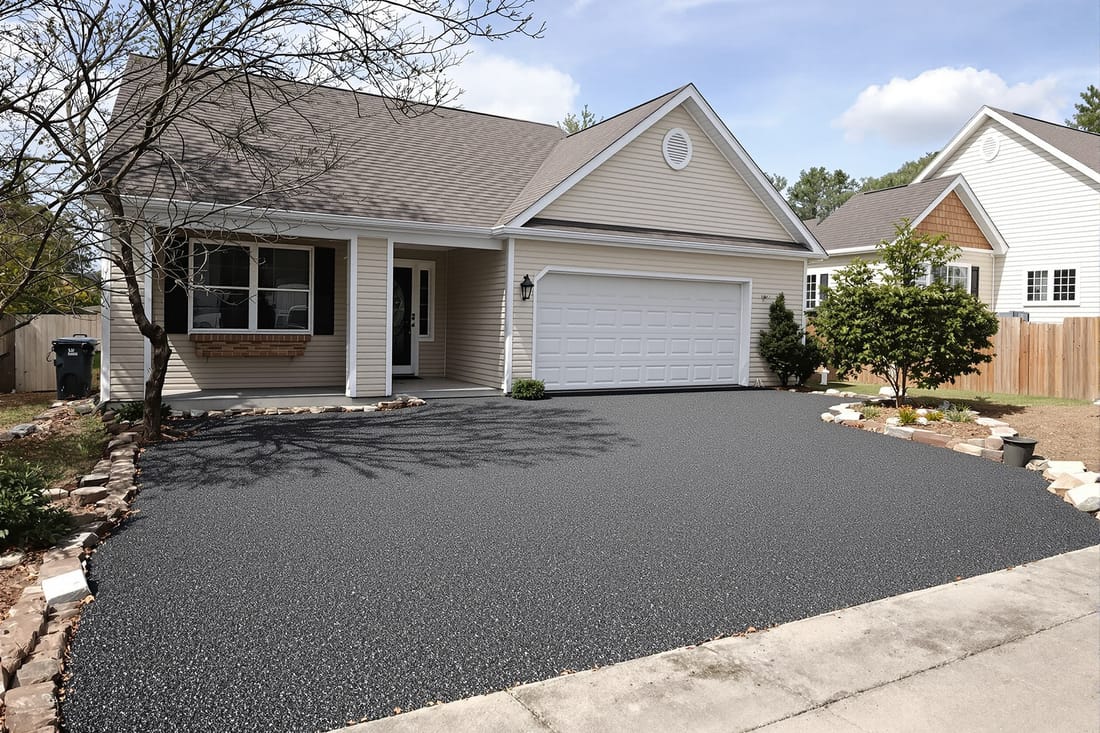
Turn Your Gravel Driveway Into a Clean, Solid Asphalt Surface
If you are tired of ruts, dust, and loose rock every time you pull into your driveway, a gravel to asphalt driveway conversion can be a big quality of life upgrade. Precision Asphalt Denver helps homeowners across the Denver metro area replace worn gravel drives with smooth, durable asphalt that is easier to drive on and maintain.
A proper conversion is more involved than just spreading asphalt over existing gravel. Our team evaluates the current base, drainage, and access points so your new driveway holds up to Colorado’s freeze-thaw cycles, UV exposure, and snow removal. We look at how you use the space, whether you park work trucks, trailers, or multiple vehicles, then design the pavement thickness and layout to match.
From narrow foothills drives with steep grades to wide suburban parking areas, we customize each project around Denver’s specific soil and weather conditions. The result is a driveway that sheds water correctly, resists heaving in winter, and gives you a cleaner, more professional-looking entrance to your home.
How We Convert a Gravel Driveway to Asphalt, Step by Step
A long-lasting gravel to asphalt driveway starts with the right process. Here is how a typical conversion with Precision Asphalt Denver works, from first visit to finished surface.
1. Site visit and evaluation. We measure the driveway, note slopes and soft spots, and check how water currently drains. In many older gravel drives, water collects in tire ruts or along the edge, which must be corrected before paving.
2. Grading and reshaping the base. We use graders and compactors to cut high spots and fill low spots so the driveway has the correct crown or cross-slope. In Denver, proper grading is critical so snowmelt and summer thunderstorms do not pool on the surface.
3. Strengthening the base. If existing gravel is too thin, contaminated with dirt, or pumping under truck tires, we add and compact new road base or Class 6 aggregate. We usually compact in multiple passes with vibratory rollers to achieve a firm, uniform platform.
4. Edge definition. For many projects, we cut clean edges and may recommend edge supports, such as compacted shoulder material or, in some cases, concrete ribbons at garage entries or tight turns. This helps prevent edge cracking and asphalt breakup where vehicles drive near the sides.
5. Asphalt placement. Typically we install a hot-mix asphalt layer of 3 to 4 inches compacted thickness for standard residential use. For RVs or heavy work trucks, we may increase thickness or specify a different mix design. The asphalt is machine-laid where access allows, or hand-placed in tighter spots, then compacted for a dense, smooth finish.
6. Final roll and quality check. After rolling, we check transitions at the street and garage, verify drainage with water tests if needed, and confirm there are no soft areas or visible seams that could become trouble spots in winter.
This process gives your new asphalt the best possible start, instead of trapping existing problems under a thin layer of blacktop.
Design Choices: Thickness, Layout, and Mix Options
Your gravel to asphalt driveway does not have to be a copy of what is there now. Converting from gravel gives you a chance to adjust layout and durability to fit how you actually use the property.
Pavement thickness is one of the most important choices. For a typical Denver-area home with passenger vehicles only, Precision Asphalt Denver usually recommends about 3 inches compacted thickness of asphalt over a properly built aggregate base. If you have heavy loads, such as work vans, delivery trucks, or a large RV, we may increase the thickness or modify the base to carry the extra weight.
We can also adjust the shape of the driveway. During conversion, many homeowners choose to widen tight curves, add parking pads for guests, or improve turnaround areas so backing into busy Denver streets is safer. Because we are already grading and compacting, these changes are often more practical at this stage than later.
Most residential driveways use a dense-graded hot-mix asphalt that balances smoothness with skid resistance. In shaded or north-facing sections that hold snow longer, we pay attention to slope so water drains instead of refreezing. If you regularly use snowplows or metal blades, we can account for that in how we handle joint lines and transitions so the plow edge does not catch and damage the surface.
At the street connection, we coordinate the tie-in so there is no harsh bump or dip. In older Denver neighborhoods, the existing street edge can be irregular, so we carefully saw-cut and feather the asphalt to create a safer, cleaner transition.
What Affects Cost for a Gravel to Asphalt Driveway in Denver
Homeowners often ask why pricing can vary for what seems like the same size driveway. With gravel to asphalt driveway conversions, several real conditions affect the cost.
Base condition is the biggest factor. If your current gravel is deep, well-drained, and compact, we may only need light reshaping. If the base is thin, muddy under the surface, or washed out from years of runoff, we will need to add more aggregate and compaction. That extra material and equipment time affects the budget but also has the biggest impact on longevity.
Access and layout matter as well. Long, narrow mountain drives, tight alley access, or steep slopes may require smaller equipment and more handwork. Urban lots in Denver with limited staging space can also increase setup and cleanup time, which we include transparently in your estimate.
Thickness and usage drive the asphalt quantity. A driveway built for passenger cars only needs less asphalt than one designed for repeated heavy truck or trailer loads. Precision Asphalt Denver will ask detailed questions about how you use the space so we are not underbuilding a surface that must carry more weight than usual.
Timing can also play a role. Asphalt work in Colorado has a weather window, usually from late spring through early fall. During very hot days, we may schedule earlier pours so the mix does not cool too fast, which can change crew timing. If you are working within a specific budget year or HOA timeline, we will explain the most cost-effective schedule based on current material pricing and plant availability.
Denver Climate, Seasonal Timing, and Common Challenges
Denver’s elevation and weather patterns create specific challenges for gravel to asphalt conversions that we plan for in every project. Freeze-thaw cycles are frequent, which means water that seeps into weak areas can expand and contract, causing cracks and heaving. To counter this, Precision Asphalt Denver focuses on drainage, base density, and proper compacted thickness rather than simply masking issues with a thin overlay.
Spring snowmelt and summer thunderstorms test driveway drainage. During our evaluation, we look at where water currently escapes your gravel drive, then design the asphalt crown and side ditches or swales to move water away from the pavement. In some cases, we recommend small culverts or drainage improvements at low spots so water does not undermine the new base.
Another Denver-specific challenge is UV exposure at altitude. While the biggest defense against sun damage is sufficient asphalt thickness and compaction, we also advise on long-term maintenance like sealcoating schedules. For many residential driveways, an initial sealcoat after the asphalt has cured (usually within 1 to 2 years) and periodic resealing can slow oxidation and minor surface checking.
Snow removal is a practical concern too. We suggest using rubber-tipped blades or setting metal plow blades slightly above the asphalt surface to avoid gouging. When planning the driveway layout, we can help designate snow storage areas so heavy piles are not repeatedly placed on the same vulnerable spot near an edge or corner.
What to Expect Working With Precision Asphalt Denver
From the first call to the last roller pass, our goal is to make your gravel to asphalt driveway project straightforward and predictable.
We start with a site visit and written proposal that breaks down base work, asphalt thickness, and any drainage or layout changes in plain language. If there are options, such as upgrading base materials or widening a parking area, we price them clearly so you can decide based on value instead of guesswork.
Before work begins, we confirm your schedule, discuss access for your vehicles, and coordinate with any HOA or city requirements. During construction, we maintain access as much as possible, and if there will be periods when you cannot drive on the surface, we let you know in advance so you can plan.
After paving, we walk the project with you, review curing times, and explain when you can drive, park, and eventually sealcoat the new surface. We also go over simple care tips, such as avoiding tight turning of heavy vehicles during the first few weeks and watching for any early signs of drainage issues after heavy rain.
Every driveway and property is different. Precision Asphalt Denver takes the time to match the design and construction of your new asphalt surface to how you live and work, so the investment in leaving gravel behind pays off for many years.