Home › Commercial Asphalt Resurfacing & Overlays
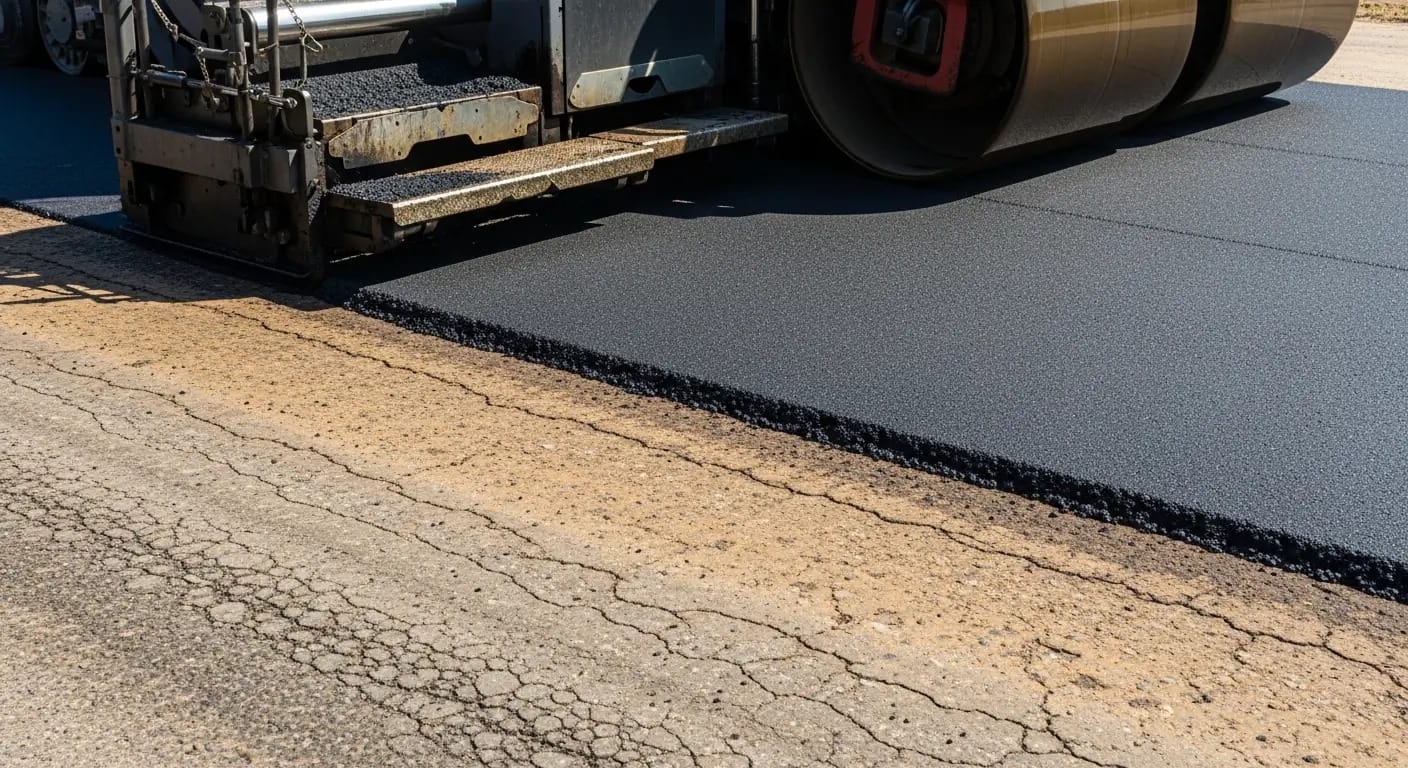
Precision Asphalt Denver delivers commercial asphalt resurfacing in Denver, CO to renew aging parking lots and drives without full reconstruction. We repair failing areas, adjust drainage, then install an asphalt overlay or mill and overlay to create a smooth, uniform surface for your customers and tenants.
Precision Asphalt Denver provides professional commercial asphalt resurfacing throughout Denver, CO, Colorado and the surrounding area. Our licensed, insured crew delivers safe, clean, on-time work with a free estimate before anything begins. Call (720) 807-8328 or request your free quote.
Commercial Asphalt Resurfacing for Denver Properties
Commercial asphalt resurfacing is often the most cost-effective way to get a smooth, safe parking lot or private roadway in Denver without paying for a full tear-out and replacement. At Precision Asphalt Denver, we focus on evaluating what is worth saving in your existing pavement and what needs to be rebuilt, so you are not overpaying for work you do not need.
Resurfacing, or installing an asphalt overlay, means we keep the base structure intact if it is still sound, then mill and repair the existing surface, and cap it with a new asphalt layer. This approach is ideal for commercial parking lots, HOA roadways, medical campuses, churches, retail centers, and industrial yards where traffic cannot be shut down for long. In the Denver climate, with freeze-thaw cycles, snow plowing, and strong UV exposure, resurfacing has to be done correctly or you will see reflective cracking, puddles, and raveling within a few seasons.
Precision Asphalt Denver designs every commercial asphalt resurfacing project around your exact conditions: traffic type (cars versus heavy trucks), slopes and drainage patterns, existing pavement age, and Denver-specific weather exposure. The goal is a resurfaced lot or drive that lasts 8 to 15 years, not a quick cosmetic fix that fails after the first few winters.
How We Evaluate Whether Resurfacing or Full Replacement Makes Sense
Not every lot in Denver is a good candidate for an asphalt overlay. Before we quote a resurfacing project, Precision Asphalt Denver walks the entire site and probes the pavement. We are looking for base failures, drainage problems, and structural cracking that would cause a resurfaced lot to fail early.
Key signs that resurfacing may work: cracks that are mostly surface-level and not full-depth through the base, limited alligator cracking in isolated areas, a surface that is rough or oxidized but still structurally stable, and ponding that can be corrected by milling and regrading. We also check the thickness of the existing asphalt, which in older Denver lots can vary from 2 to 5 inches.
Red flags that may require full-depth replacement include widespread alligator cracking, severe rutting in drive lanes, large soft areas that pump water when heavy trucks pass, and evidence that the base aggregate was never compacted correctly. If we find these issues across most of your lot, we will tell you plainly that resurfacing is a short-term bandage and does not justify the investment. If the problems are limited to certain zones, we often cut out and rebuild those sections, then overlay the entire area so the finished surface looks and performs like a new lot.
Step-by-Step Process for Commercial Asphalt Resurfacing & Overlays
A durable commercial asphalt overlay comes from methodical prep work, not just the final lift of asphalt. Precision Asphalt Denver follows a consistent process on Denver projects so you know what to expect from start to finish.
1) Planning and phasing: We review your busiest hours, deliveries, and tenant needs. For Denver retail centers or medical buildings, we often phase work over nights or weekends so access is maintained. We mark zones, traffic routes, and staging areas ahead of time.
2) Cleaning and layout: We mechanically sweep the entire pavement, then use high-powered blowers around joint lines, curbs, drains, and building edges. Clean contact surfaces matter for bond strength. We also mark drainage paths and any low spots that need correction.
3) Milling and leveling: In most commercial resurfacing jobs, we use a milling machine to remove 1 to 2 inches of the old surface, especially at tie-in points like approaches, gutters, and handicap ramps. Milling prevents creating high edges at transitions and helps us reshape slopes so water flows to inlets instead of forming ice patches in winter.
4) Structural repairs: We cut out and excavate failed areas, replace unstable base with compacted road base, and install new asphalt that is compacted with a vibratory roller. Crack repair is done with hot applied rubberized sealant for working cracks so they do not immediately mirror through the new overlay.
5) Tack coat and overlay: We apply a uniform tack coat to create a strong bond between old and new asphalt. Then we install the new asphalt overlay, usually 1.5 to 3 inches thick, using a self-propelled paver for consistent mat density. Mix selection is based on Denver traffic and climate, often a dense-graded mix with enough fines to resist moisture intrusion but still provide good skid resistance.
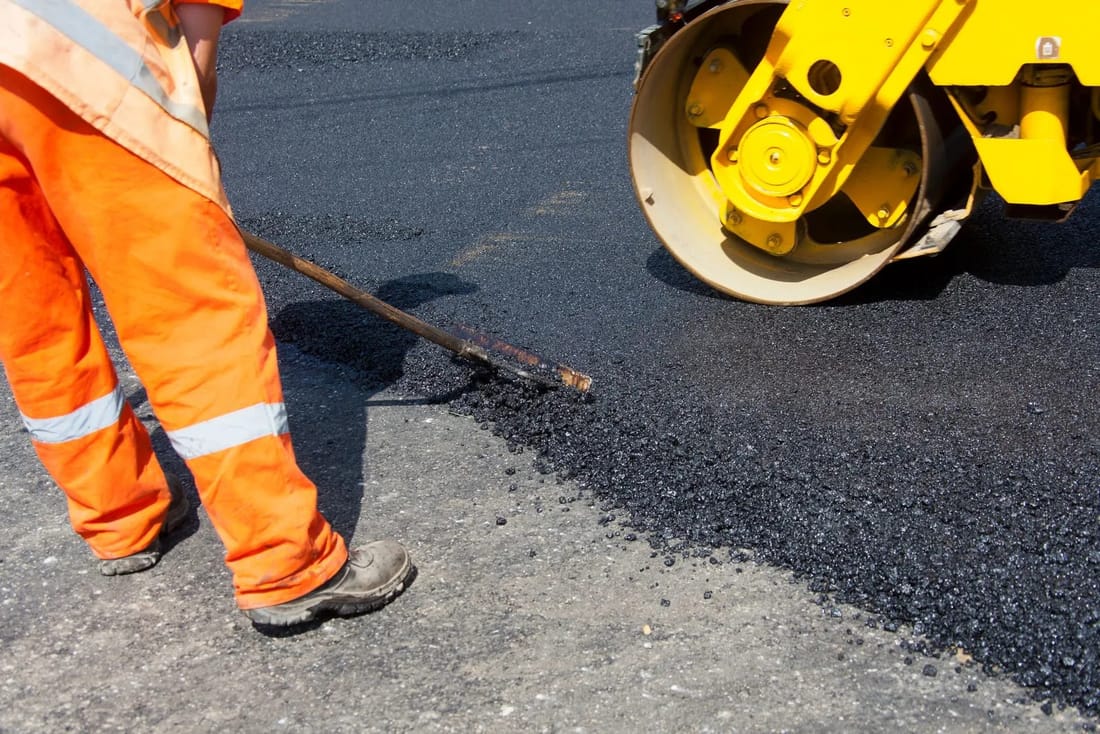
6) Compaction and detail work: Rollers make multiple passes to hit target density, particularly in drive lanes and turning areas. Our crew checks joints along passes so there are no cold seams that can ravel out under snowplow blades. We then trim around manholes, water valves, and drains so they are properly set to the new surface height.
7) Striping and reopening: Once the mat has cooled and cured enough for traffic, we re-stripe stalls, ADA spaces, fire lanes, and directional arrows. We coordinate opening times with your property manager so tenants, customers, or residents know exactly when they can drive and park on the new surface.
Material Options, Mix Design, and Thickness for Denver Conditions
Commercial asphalt resurfacing is not one-size-fits-all. The mix and thickness that work on a lightly used office parking lot may not hold up under delivery trucks or refuse trucks turning at tight radii. Precision Asphalt Denver selects mixes and overlay thickness with local Denver loading and weather in mind.
For standard car traffic, we commonly install a 1.5 to 2 inch overlay using a dense-graded hot mix that balances flexibility with rut resistance. For areas that see semi trucks, garbage trucks, or heavy equipment, we increase thickness to 2.5 to 3 inches in drive lanes and loading zones and may recommend a stiffer mix with higher quality aggregate. We also pay attention to slope and drainage so meltwater from Denver storms moves to inlets quickly instead of standing in low spots.
On many commercial properties, we adjust the overlay thickness in different zones rather than using a single depth everywhere. For example, we might place 1.5 inches in outer parking stalls that see only light passenger vehicles, then transition to 3 inches in dumpster approaches or delivery docks. This keeps your budget focused on the high-stress areas while still giving the overall lot a clean, uniform look.
We also consider surface texture. Smooth is not always better. A slightly textured surface improves skid resistance and traction in snow and rain. On sloped Denver drives that freeze, we avoid overly tight finishing that can turn slick. When needed, we can incorporate sand or aggregate adjustments for traction without shortening the life of the overlay.
What Drives Cost and How to Avoid Surprise Overages
The price of commercial asphalt resurfacing in Denver depends on more than just square footage. Precision Asphalt Denver is transparent about cost drivers so you can compare bids correctly and avoid being caught by low quotes that balloon with change orders.
Major factors that impact price include: the percentage of failed areas that need full-depth repair before overlay, the amount of milling required to correct drainage and match concrete gutters or building entries, overlay thickness, site access for trucks and equipment, phasing requirements, and striping complexity. For example, a simple rectangular lot with one entrance and minimal milling will cost less per square foot than a cramped urban site with multiple buildings, tight access, and many grade transitions that must be milled precisely.
Hidden damage is what often drives overages on poorly planned projects. We limit this risk by doing core samples or test pits on older Denver lots that have been patched repeatedly. This lets us see how thick the existing asphalt is and whether the base underneath is wet or contaminated. If the base is failing in multiple test areas, we will build those repairs into the initial proposal rather than leaving them as “unforeseen conditions.”
To keep your budget under control, we are clear about what is included: number of repair square feet, overlay thickness by area, linear feet of crack sealing, and any allowances for soft spots. If you receive a competing quote that only lists a single square foot price and an overlay thickness, with nothing about milling or repairs, it usually means change orders are likely once work begins.
Planning, Traffic Control, and Long-Term Maintenance
Resurfacing a commercial property in Denver affects tenants, customers, and deliveries. Precision Asphalt Denver builds traffic control and communication into the project so the work does not disrupt your operations more than necessary.
Before work starts, we create a simple phasing map that shows which areas will be closed on which days and where temporary access will be maintained. For busy retail or medical sites, we often schedule milling and paving during early mornings, evenings, or weekends. We handle cones, barricades, and signage so traffic is safely redirected. If your site has strict fire lane or emergency access requirements, we phase the work so at least one route is always open.
After the overlay is complete, we walk the property with your manager or board representative to review drainage, joints, striping layout, ADA compliance, and any special concerns like snowplow routes. We also provide straightforward guidance on curing and initial use: typical car traffic can use new asphalt within 24 hours in most Denver weather, while heavy truck traffic may be delayed slightly depending on temperature.
Long-term, a resurfaced commercial lot in Denver will last significantly longer with simple maintenance. We recommend periodic crack sealing to keep water from getting into the base, targeted sealcoating on appropriate cycles for the level of traffic and exposure, and a plan for heavy snowplow use that avoids metal cutting edges where possible. We can schedule inspections every few years to catch early issues before they turn into structural failures that require another major overlay or full-depth replacement.