Home › Speed Bumps, Curbs, and Asphalt Accessories
Precision Asphalt Denver offers speed bump installation in Denver, CO, along with asphalt curbs and other parking lot accessories. We shape and install asphalt speed humps, islands, and curb edges that calm traffic, guide vehicles, and keep pedestrians safer on your property.
Precision Asphalt Denver provides professional speed bump installation throughout Denver, CO, Colorado and the surrounding area. Our licensed, insured crew delivers safe, clean, on-time work with a free estimate before anything begins. Call (720) 807-8328 or request your free quote.
Speed bump installation and asphalt accessories in Denver
Speed bumps, curbs, and related asphalt accessories only work if they are sized, placed, and built correctly for the traffic using your property. At Precision Asphalt Denver, we focus on practical design that matches how vehicles and pedestrians actually move through your lot, not just what fits a template.
Most of our calls in the Denver metro area fall into a few categories: slowing cut‑through traffic in private parking lots, reducing speeds in multi‑family communities, improving safety at school or daycare drop‑off loops, and adding curbs or wheel stops to protect landscaping and buildings. We look at slope, drainage, existing pavement condition, and snow removal patterns before we recommend any layout.
Our team works around your operating hours whenever possible. For busy retail and medical sites, we often schedule speed bump installation early morning or in short phases so you can keep key drive lanes open. We coordinate traffic control, signage during work, and striping so you are not left with half‑finished features that confuse drivers.
How speed bump installation actually works
A proper speed bump or speed hump is not just a pile of asphalt. It must be tied into your existing pavement and built to a predictable shape so drivers can react. Here is how Precision Asphalt Denver typically handles the work on an existing asphalt surface.
First, we walk the site with you and mark exact locations and dimensions with paint. We confirm emergency vehicle routes, trash truck paths, and snow plow paths, because those determine how tall and how long the bump can be. We also confirm property lines and whether the drive is private or city controlled. Most customers are surprised to learn that Denver and surrounding cities rarely allow speed bumps on public streets, so these are usually installed only on private lots and drives.
Next, we cut or grind the existing asphalt surface where the speed bump will tie in. For new bumps, we typically build in lifts (layers), compacting each lift with a vibratory roller or plate compactor to avoid soft spots that will rut under truck traffic. The standard profile for private lots is usually 3 to 4 inches high at center with gentle transitions, but for longer speed humps near schools or apartments we may stretch the length and slightly reduce the height so buses and emergency vehicles can pass without bottoming out.
While the asphalt is still workable, we hand shape the profile with asphalt lutes and check it with a straight edge. Once compaction is complete, we allow a short cooling period, then apply high‑contrast striping or reflective markings so the bump is visible at night and in snow. Where required, we add warning signs at appropriate distance based on posted speed within the property.
Curbs, wheel stops, and edge restraints
Curbs and other edge restraints are not only about appearance. They control water, protect structures, and define parking. In Denver, poor curb planning often leads to icing in winter and ponding in spring, both of which shorten the life of your asphalt.
Precision Asphalt Denver installs several types of curbs on asphalt projects. For new lots, we commonly install poured concrete curbs before the final asphalt lift, then pave up to them for a clean joint. In retrofit situations, we can add asphalt berm curbs along edges where water is spilling into landscaping or neighboring property. These berms are machine laid or hand formed, then compacted and sealed so they do not unravel.
For wheel stops (parking blocks), we offer pre‑cast concrete, recycled rubber, and sometimes steel options for specialty uses. Concrete wheel stops are the most common, but rubber is often better in tight or high‑turnover lots because they are more forgiving when vehicles bump them and they are easier to replace individually. We secure wheel stops with rebar pins drilled into the underlying asphalt or concrete, making sure they are anchored but still serviceable if you need to reconfigure parking later.
A common local problem is curbs being knocked loose by snow plows. To minimize this, we look at plow patterns, use thicker sections or dowels in high impact zones, and clearly mark curbs and wheel stops near entrances where visibility is worst during storms.
Material choices and design options for Denver properties
Speed bump installation and curb work should fit how your property is used. At Precision Asphalt Denver, we walk through specific options so you are not guessing or relying on a generic catalog layout.
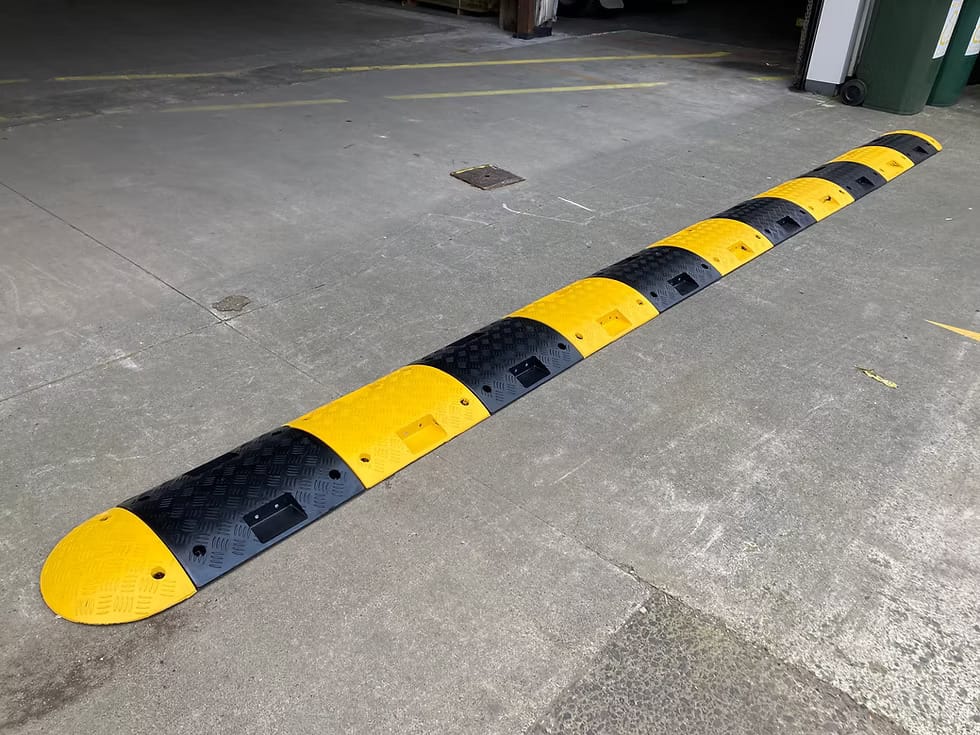
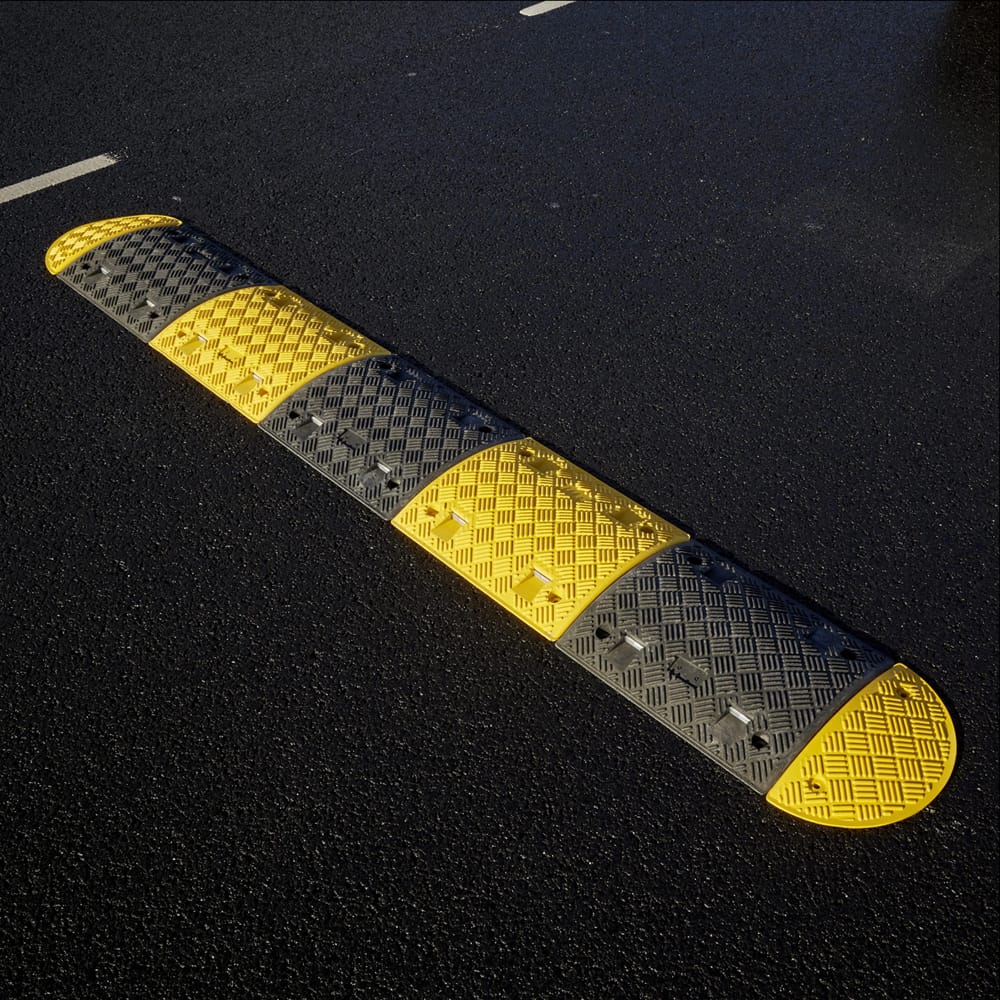
For speed control, you can choose between hot‑mix asphalt bumps or prefabricated rubber or plastic modules. Asphalt is best if you want a permanent, fully integrated look and are already maintaining asphalt on the property. Rubber or plastic modular bumps can make sense in alleys, industrial yards, or temporary traffic control near construction because they can be relocated. However, in Denver’s freeze‑thaw cycles, we generally favor well compacted asphalt bumps for longevity.
We also discuss spacing and combinations. For example, one tall, harsh bump at a driveway may not actually slow internal traffic. Instead, a series of well placed, moderate bumps combined with painted crosswalks and clear arrows is more effective and far less damaging to suspensions. Around schools and churches, we often recommend wider humps that slow speed gradually and give pedestrians more time to react.
For curbs, color and finish options are available, especially for multi‑family communities that want a sharper appearance. You can choose broom finished gray concrete or integrally colored concrete in select areas such as front entries. For wheel stops, we can stripe or stencil numbers or reserved labels directly on the blocks so you do not have to add separate signs for every stall.
Cost factors and common issues we solve
There is no single price for speed bump installation or curb work, since each site has its own challenges. Precision Asphalt Denver is direct about what drives cost so you can quickly decide what level of improvement fits your budget.
Key factors include: the number and size of speed bumps, whether we are working on new or deteriorated pavement, access for our equipment, and whether traffic must be maintained during the work. If existing asphalt is cracked, oxidized, or has base failures, we may recommend patching or reinforcement in the bump area first. Building a new bump on top of a failing surface is usually a waste of money.
Drainage is another major cost driver. In some Denver lots, we see water already pooling near entrances. Dropping a bump in the wrong spot can turn that puddle into a permanent ice sheet. In those cases, we may need to adjust grades, cut relief channels, or tie the bump design into a larger patch or overlay. This costs a bit more up front but prevents chronic winter icing, slip hazards, and accelerated asphalt breakdown.
Snow removal is a frequent concern. Poorly installed bumps with sharp edges get torn apart by plows, and curbs without enough reveal end up buried and broken. We shape transitions so plows can ride over at low speed, and we often recommend plow markers or paint patterns that help your contractor see the features when everything is covered in snow. We also provide guidance sheets you can give to your plow company so they know where speed bumps and accessories are located.
What Denver property owners should know before hiring
Before you hire anyone for speed bump installation or curb work, there are a few practical checks you should make.
First, confirm you have the right to install the features. If the area is part of a shared access easement, HOA, or managed property, you may need written approval. Precision Asphalt Denver can provide sketches or simple layout plans that you can present to boards or neighboring owners to speed up that approval.
Second, ask the contractor how they handle layout, signage, and striping. A proper job includes clearly visible bumps and curbs, correct paint types for Denver’s climate, and attention to sight lines. We typically include striping and basic warning markings in our proposals, and we can coordinate any additional traffic signs you may need.
Third, verify that the contractor is familiar with local standards and emergency access needs. For example, fire departments in the Denver area are sensitive to excessive or improperly placed speed bumps that interfere with response times. We routinely consider fire lane access and width, and when needed we adjust bump height, placement, or type to stay compatible with emergency vehicles.
Finally, expect a written scope, not just a lump sum. Our proposals describe the number and type of bumps, dimensions, materials, and whether curbs, wheel stops, or other accessories are included. That level of detail protects you from surprise changes and gives you a clear record to refer to if you expand or re‑stripe your lot in the future.