Home › Road, Street, and Municipal Paving
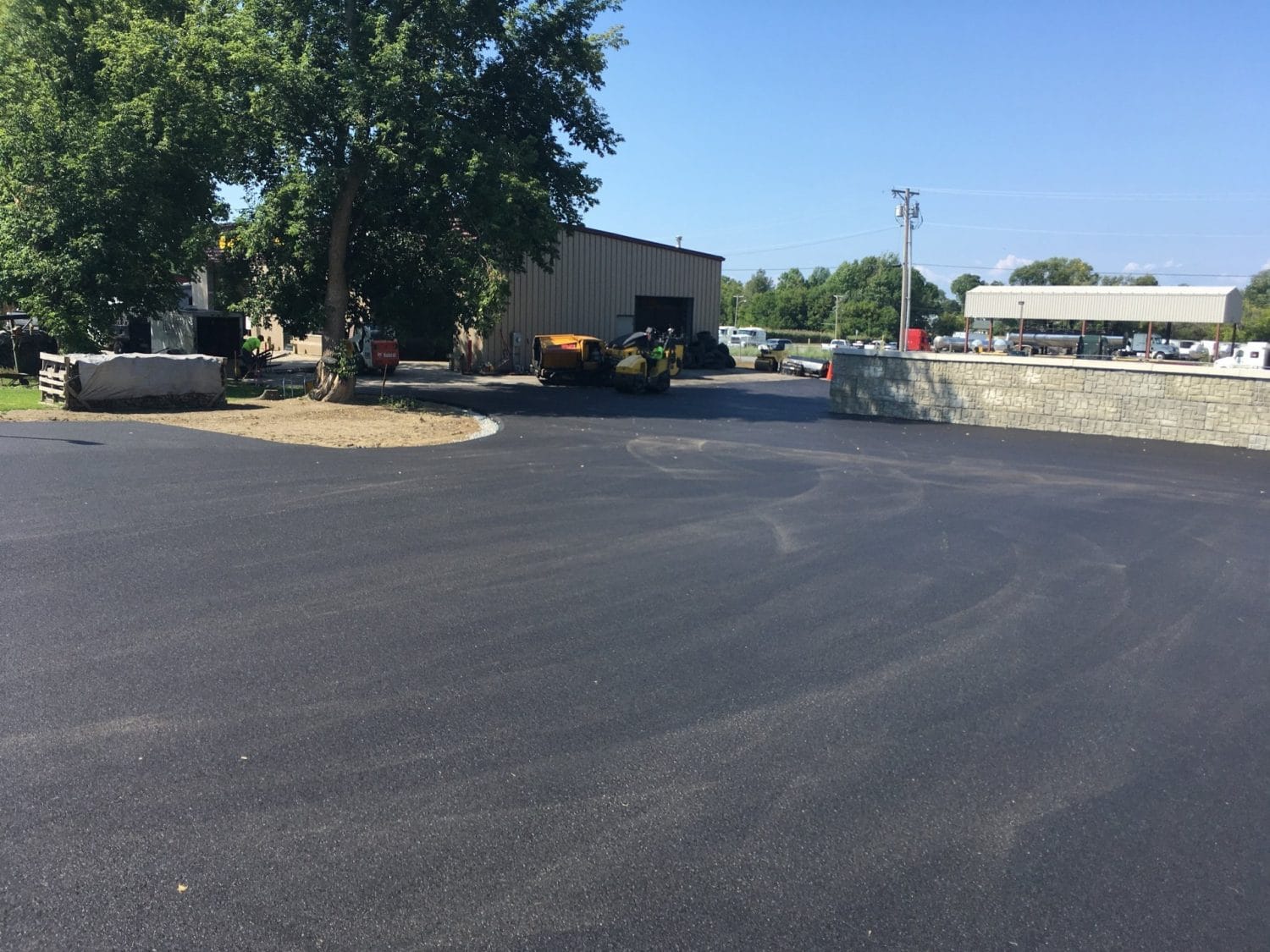
Precision Asphalt Denver performs road paving in Denver, CO for subdivisions, private communities, and municipal projects. Our crews handle milling, base preparation, and asphalt paving for smooth, long lasting streets that handle daily traffic and harsh weather conditions.
Precision Asphalt Denver provides professional road paving throughout Denver, CO, Colorado and the surrounding area. Our licensed, insured crew delivers safe, clean, on-time work with a free estimate before anything begins. Call (720) 807-8328 or request your free quote.
Road & Municipal Paving in Denver, CO You Can Rely On
Public roads in Denver live a hard life. Freeze-thaw cycles, snowplows, deicing salts, and heavy traffic all punish the pavement. Precision Asphalt Denver focuses on road, street, and municipal paving that is designed specifically for Front Range conditions so that your investment holds up through years of Colorado winters and summer heat.
When you contact us, we start by understanding exactly how the road will be used. A quiet neighborhood street with school pickups has very different needs than an industrial access road that sees heavy trucks all day. We look at traffic counts, vehicle types, turning movements, steep grades, drainage patterns, and nearby structures like gutters, manholes, and curb ramps. This allows us to propose a pavement structure that fits the real demands instead of a one-size-fits-all section.
Our team is used to coordinating with HOAs, city engineers, private facility managers, and utility providers in the Denver metro area. Whether you are improving a short private roadway in a business park or helping a municipality extend a street, we plan the work to minimize disruption: staging by blocks, clear detour routes, and tight communication with neighbors and first responders.
How Professional Road Paving Is Actually Done
High-quality road paving is a sequence of tightly controlled steps. Precision Asphalt Denver begins with a detailed site walk and measurements. We evaluate existing pavement thickness where applicable, probe the subgrade, check for soft spots, and document drainage issues like standing water or rutting. On older streets, we may recommend core sampling to see what is under the surface before finalizing a design.
Demolition and grading come next. We mill or remove failing asphalt, then shape and compact the base with rollers suited to the project size. In Denver, we pay special attention to cross slopes and crown so that snowmelt and summer thunderstorms move off the roadway instead of soaking in and refreezing. If the existing base is weak or shows pumping under truck traffic, we will undercut and replace it with properly graded road base, typically CDOT-approved aggregate, compacted in thin lifts and tested for density.
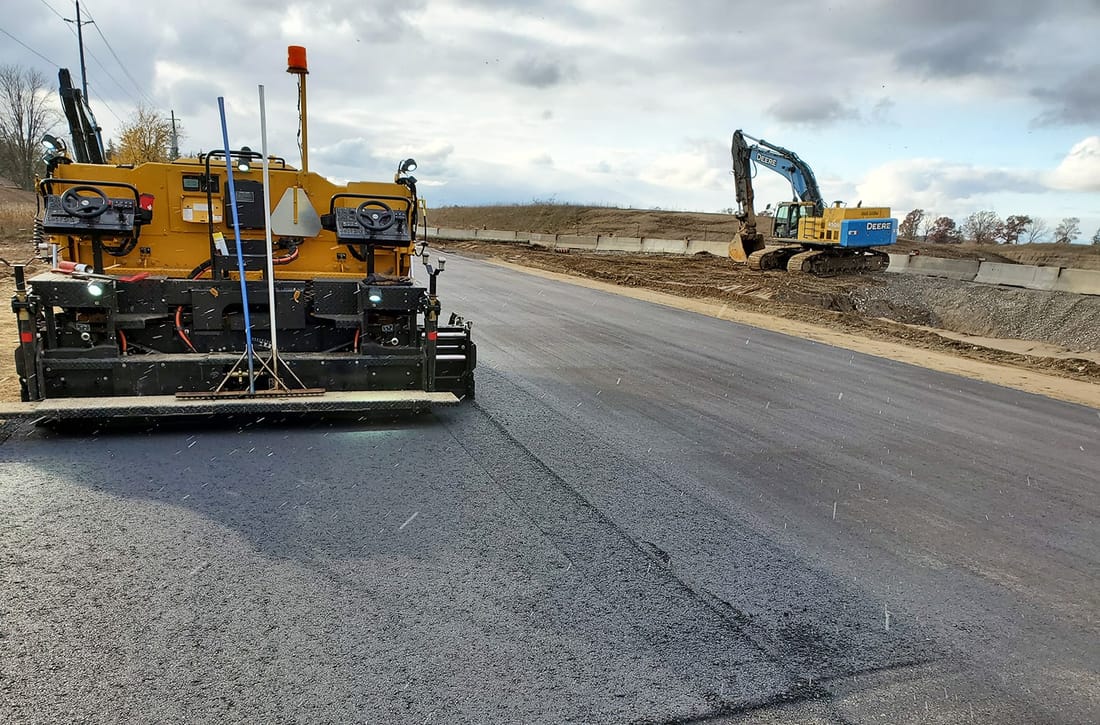
Once the base is ready, we place hot mix asphalt produced to CDOT or project-specific specs, usually within a short haul distance to avoid temperature loss. Material arrives in insulated trucks, is placed with a paver that sets the preliminary grade, and then compacted in multiple passes of steel drum and pneumatic-tired rollers. We monitor mat temperature and rolling patterns throughout, because proper compaction is what gives the road strength and longevity. For streets with multiple lifts, the lower course is often a slightly coarser mix for structure, topped with a finer surface course for smoothness and skid resistance.
Material Choices and Pavement Design for Denver Roads
The mix and pavement section that work in Phoenix or Houston are not what you want in Denver. Our designs factor in local freeze-thaw cycles, snow removal methods, and anticipated loading. Precision Asphalt Denver frequently uses performance-graded binders suitable for Colorado temperature swings, and we adjust mix designs when a road will see heavy plow activity or frequent chain use.
For residential streets, a typical section may include a compacted aggregate base topped with one or two asphalt lifts of specified thickness. For bus routes, fire lanes, and distribution centers, we often increase total asphalt thickness or recommend a stronger base course to limit rutting and alligator cracking. We can also propose phased improvement strategies, such as milling and overlaying now while planning for a full-depth reconstruction in a later budget cycle.
Surface treatments are another key decision. In some municipal settings, we may suggest a chip seal, slurry seal, or thin overlay program to preserve a mostly sound road network. In others, especially where utilities have been cut repeatedly or the subgrade is distressed, the better option is a full-depth reclamation and repave. We walk you through the pros, cons, and expected service life of each option so you can match the solution to your budget and performance goals.
Cost Factors and Budget Planning for Street & Municipal Paving
Road paving costs are driven by more than just square footage. When we estimate a project, Precision Asphalt Denver looks at access constraints, traffic control needs, utility coordination, and existing pavement condition. A simple mill and overlay on a wide straight street with good access may be relatively economical, while a tight urban block with on-street parking, frequent driveways, and complex striping or signal loops will cost more per linear foot.
Material thickness has a major impact on pricing because asphalt and aggregate are the largest cost components. If a road must be upgraded to handle heavier vehicles, we explain how each additional inch of asphalt or base affects both initial cost and long-term maintenance savings. We also outline the cost differences between patching and spot repairs versus comprehensive reconstruction, so decision-makers can see the tradeoff between short-term savings and future liability.
Denver projects often require formal traffic control plans, possible lane rental fees in certain jurisdictions, and coordination windows that avoid peak travel times or school hours. These details can change the labor and equipment schedule significantly. We help you anticipate them early by breaking out line items, such as sawcutting, utility adjustments, traffic control, striping, and signage, so you know exactly where the dollars are going and can phase work if needed.
Timing, Weather, and Traffic Management in Denver
In Colorado, timing a road paving project correctly is just as important as how you build it. Precision Asphalt Denver plans most major paving between late spring and early fall, when daytime temperatures and overnight lows allow proper asphalt compaction and curing. We watch extended weather forecasts closely; if a cold front or heavy rain is coming, we will recommend adjusting the schedule to avoid trapped moisture or weak densities that shorten pavement life.
For busy streets and municipal work, we develop a traffic management plan tailored to your location. This can include night or weekend work to avoid rush hour, temporary one-way setups with flaggers, or full closures with clearly marked detours. In residential areas, we coordinate access windows so residents can reach driveways and deliveries can continue. On larger arterials, we often stage work by lanes, maintaining at least one lane each direction whenever possible.
Snow and deicing operations are also part of our planning. We pay close attention to how plows will interact with new pavement edges, joints, and utility covers. Properly matched joint lines, adequate compaction near manholes and valve cans, and tight seams help prevent early damage from blades and packed snow. We can also advise on when to resume full plow operations on fresh asphalt to avoid scuffing and tearing.
Common Road Problems We Fix and How to Get Started
By the time a road looks rough, the problems often run deeper than the surface. Precision Asphalt Denver diagnoses whether you are dealing with surface oxidation and raveling, isolated fatigue areas, or widespread base failure. Alligator cracking and deep rutting often point to structural issues that overlays alone will not solve. Reflective cracking over old utility cuts might be addressed with localized base repair and fabric or reinforcing grids under a new mat.
For municipalities, HOAs, and property managers, we frequently create multi-year pavement management plans. These prioritize which streets should receive crack sealing and seal coats, which are good candidates for a mill and overlay, and which sections really need reconstruction. This approach stretches limited budgets while steadily improving network condition instead of chasing the worst potholes every spring.
Getting started is straightforward. We will meet you on site in Denver or the surrounding area, walk the roads with you, take measurements and photos, and discuss your goals and constraints. Then we provide a clear proposal that covers scope, phasing, traffic control, and pricing, along with realistic expectations for service life and maintenance. With Precision Asphalt Denver, you get a paving partner that treats your streets and roads like the critical infrastructure they are, not just another resurfacing job.