Home › Commercial Gravel-to-Asphalt Conversions
Precision Asphalt Denver specializes in commercial gravel to asphalt conversions in Denver, CO, turning dusty, uneven lots into professional, paved surfaces. We evaluate your base, improve drainage, and install durable asphalt that reduces maintenance, improves appearance, and keeps customers cleaner.
Precision Asphalt Denver provides professional commercial gravel to asphalt throughout Denver, CO, Colorado and the surrounding area. Our licensed, insured crew delivers safe, clean, on-time work with a free estimate before anything begins. Call (720) 807-8328 or request your free quote.
Turn Gravel Lots Into Reliable Asphalt Surfaces
If you manage a commercial property in Denver, you already know gravel is cheap up front but expensive over time. Ruts, dust complaints, mud after snowmelt, and constant regrading all hit your budget and your image. Precision Asphalt Denver focuses on commercial gravel to asphalt conversions that turn those problem areas into predictable, low‑maintenance pavement that stands up to Colorado weather.
We work with HOAs, office parks, small business owners, industrial yards, and churches that are tired of tracking gravel into buildings or dealing with washouts every time a storm rolls through. Instead of pushing you toward the thickest or most expensive option, we look at your actual traffic patterns, truck counts, and drainage so the asphalt structure matches what your site really needs.
A good conversion is not just pouring hot mix on loose rock. Done correctly, we lock in the existing base where it is usable, rebuild it where it has failed, and then design an asphalt section that handles freeze‑thaw cycles, snow plows, and the turning forces of delivery trucks. That is what separates a surface that lasts 3 years from one that lasts 15 or more.
How a Commercial Gravel to Asphalt Conversion Actually Works
On a typical Denver project, Precision Asphalt Denver starts with a site walk and core sampling. We do test digs or cores to see how deep the existing gravel base is, how tight it is compacted, and whether there are soft clay pockets underneath. We also look at where water currently flows, where it ponds after storms, and how snow is pushed in winter. This tells us whether we can reuse your gravel base or need to remove and rebuild sections.
Next we shape and compact the base. We bring in graders and compactors to cut high spots, fill ruts, and establish a consistent slope toward existing inlets or new drainage points. On weak areas we undercut, remove saturated or pumping material, and install new road base or recycled asphalt base, then compact it in lifts with vibratory rollers. We often stabilize approaches to dumpsters, loading docks, and drive aisles where trucks turn sharply, since those are the first places to fail if the base is not right.
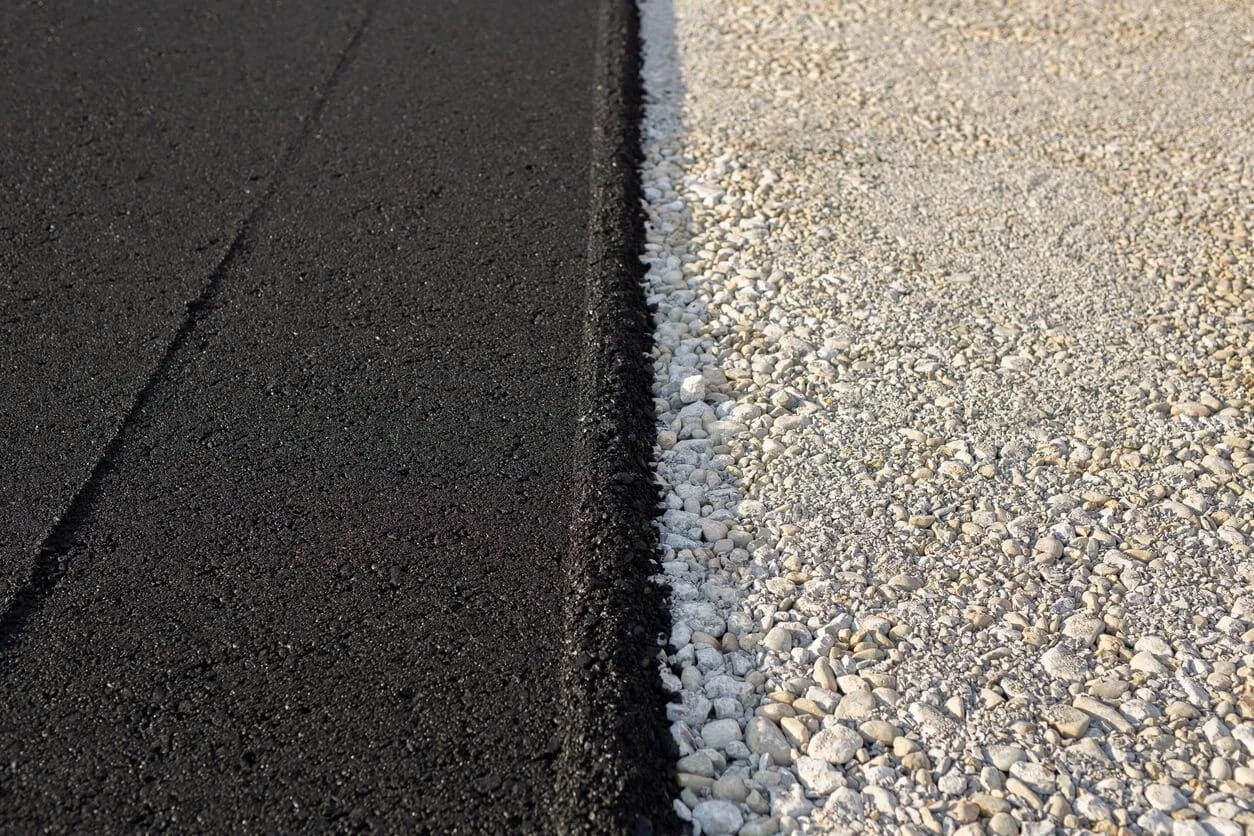
Before paving, we address edges and transitions. That means saw cutting clean edges at existing asphalt or concrete, setting new curb or asphalt berms if needed, and planning smooth tie‑ins to city streets, alleys, or garage entrances. For gravel lots that currently spill into landscaping, we define new edge lines so your new asphalt does not ravel away at the sides.
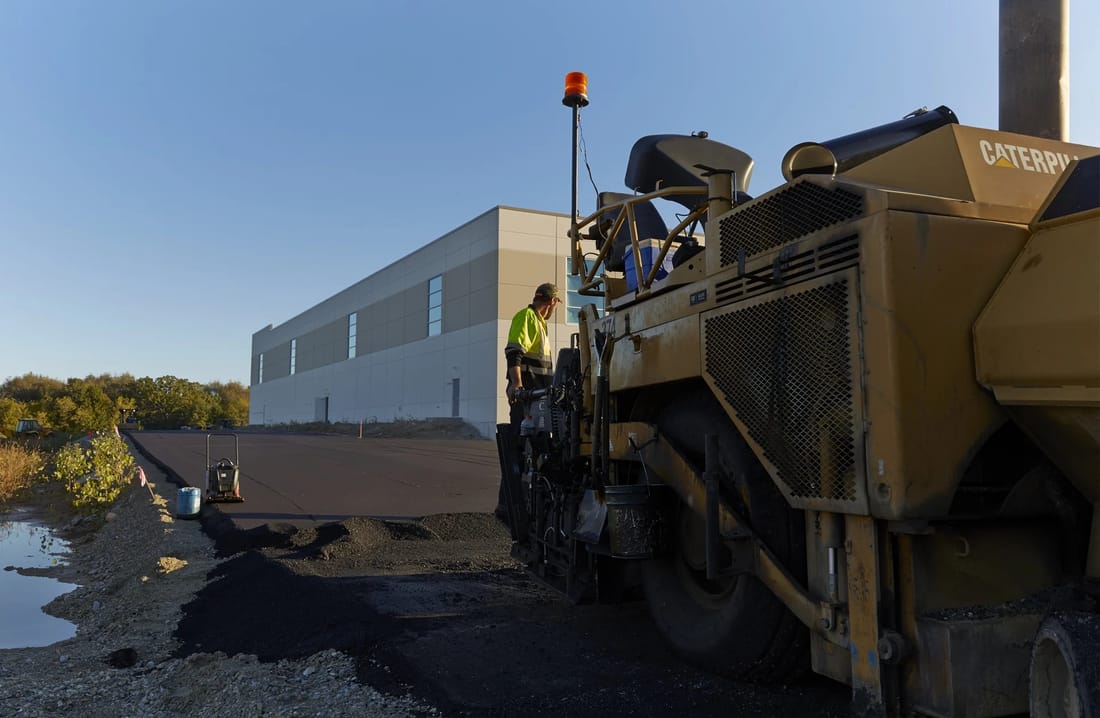
We then apply a tack coat on any existing asphalt tie‑ins and install the hot mix asphalt. For commercial gravel to asphalt conversions in Denver, we typically pave a 3 to 6 inch total thickness, often in two lifts: a stronger base course and a finer surface course. Our crews compact each lift while the mix is still at the right temperature for proper density, which is key for longevity and resistance to water infiltration.
We finish with striping, signage, and any required bollards or wheel stops so the lot functions safely from day one. If you need to keep part of the property open, we can phase the work so tenants and customers still have access during construction.
Design Options That Fit Denver Traffic and Weather
Not every commercial gravel to asphalt project in Denver needs the same pavement design. Precision Asphalt Denver looks at traffic counts, types of vehicles, and snow removal plans before recommending a section.
For light duty areas such as employee parking or church lots, we may recommend a single 3 to 4 inch lift of hot mix over a properly compacted gravel base, with optional fabric reinforcement over known crack lines or soft spots. This keeps costs controlled while giving you a clean, dust‑free surface that is easy to plow.
For drive lanes with frequent delivery trucks, small box trucks, or garbage trucks, we typically use a thicker structure. That may mean a 3 inch base course mix under a 2 inch surface course, or we incorporate a stronger aggregate base and thicker asphalt only in the wheel paths and loading areas. In industrial yards where forklifts or semis turn sharply, we sometimes recommend full‑depth asphalt or a stabilized base layer to prevent shoving and rutting.
You can also choose between different surface mixes and finishes. A standard Denver CDOT‑style mix works for most sites, but tighter‑graded mixes can reduce raveling where you have a lot of turning or steep slopes. If you are concerned about heat around south‑facing buildings, we can discuss lighter striping layouts and drainage patterns that reduce water and ice issues near entries.
We also coordinate with your snow removal contractor. For example, if they use steel blades, we suggest details at manholes and drain grates that reduce catching. If they stockpile snow in specific corners, we plan extra drainage capacity there to handle concentrated meltwater that can otherwise refreeze and damage the pavement.
Costs, Permits, and Common Denver Site Challenges
The cost of a commercial gravel to asphalt conversion in Denver is driven by three main factors: how much base work is required, how thick the asphalt needs to be, and how easy the site is to access. Precision Asphalt Denver walks you through each of these so you understand where your money is going.
If your existing gravel was built up over years without compaction control, expect more base repair. Areas with chronic puddles, pumping mud, or year‑round dust usually need undercutting, drainage improvements, or additional road base. On the other hand, well‑drained gravel that has been graded regularly may only need shaping and compaction, which keeps costs down.
Permitting within the City and County of Denver or nearby jurisdictions can be required if you are tying into public streets, changing drainage patterns, or expanding the paved area beyond what was approved. We can coordinate with your civil engineer, prepare basic site sketches, and work within local requirements for stormwater management and ADA access. Many older gravel lots do not fully meet current accessibility standards, so planning slopes, accessible stalls, and routes ahead of time avoids expensive changes after the fact.
Common local issues include frost‑susceptible soils along the Front Range, poorly defined drainage that sends meltwater across walkways, and utilities buried shallow under older gravel lots. We probe and mark suspect areas, work with utility locators, and may adjust grades slightly to keep water away from building entries and foundations. Catch basins or valley pans can be added where simple surface grading is not enough.
We are straightforward about phasing and downtime. In many Denver commercial projects, we pave in halves or thirds so tenants can still park and deliveries can continue. We schedule heavy work to avoid trash pickup days and coordinate with your property manager so notices go out with accurate closure times and reopening expectations.
What to Expect When You Hire Precision Asphalt Denver
When you contact Precision Asphalt Denver about a commercial gravel to asphalt project, we start with a visit to your property, not a guess over the phone. We review your existing gravel conditions, talk through how the lot is used throughout the week, and discuss any drainage or neighbor complaints. From there, we provide a written proposal that spells out base preparation, asphalt thickness, drainage improvements, and striping so you can see exactly what is planned.
Once approved, we set a schedule around your operations. Before crews arrive, we provide a simple plan you can share with tenants or employees that explains which areas will be closed, for how long, and where to park instead. On site, our foreman is your single point of contact and can adjust sequencing if a delivery truck shows up early or an emergency access route needs to stay open a bit longer.
After paving, we walk the site with you. We verify drainage, review striping layout, and point out any areas that should be kept clear of heavy loads for the first few days while the asphalt stabilizes. We also give you practical maintenance guidelines: when to consider sealcoating, how to handle minor oil spills, how to spot early cracking near drain inlets, and how snow plow operators should set their blades.
A commercial gravel to asphalt conversion is a one‑time chance to fix long‑standing issues with dust, mud, and poor traffic flow. By focusing on base work, drainage, and realistic loading, Precision Asphalt Denver helps Denver property owners turn loose rock into a clean, durable surface that reflects well on their business and holds up to Colorado winters for many years.